Driveways That Handle Weather and Traffic
Driveway Installation & Repair in Ashley for washed-out surfaces, drainage problems, and property access improvement
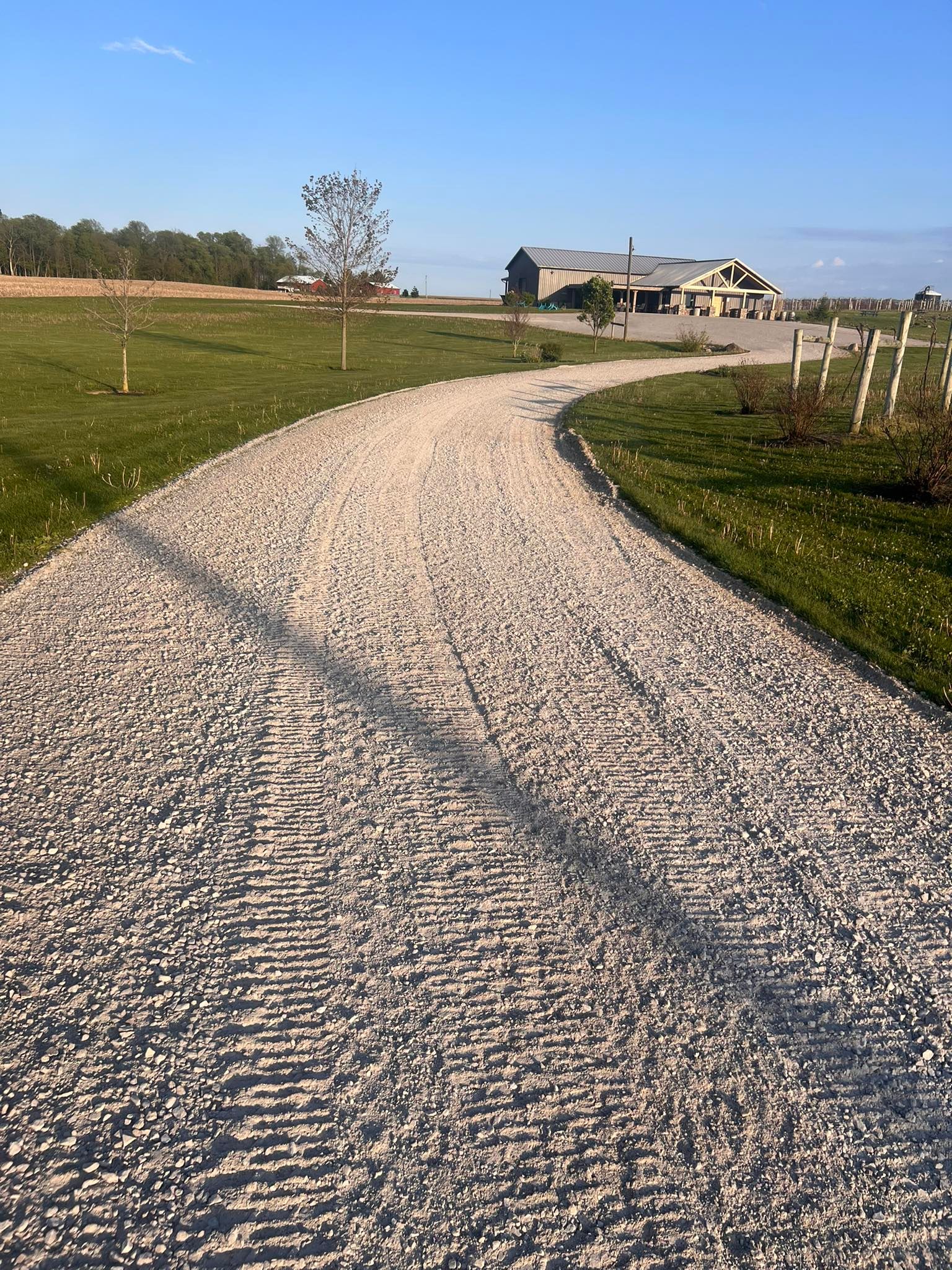
Gravel driveways across Northeast Indiana often face significant challenges, as they can wash out along their edges, develop unsightly ruts in the tire tracks, and lose vital base material when water flows across the surface instead of being directed away from it. Bird Dog Brush and Dirt Services LLC not only installs new driveways with meticulous attention to proper crown and base preparation, but also specializes in repairing existing drives by meticulously addressing the drainage patterns that led to the initial damage. As a result, clients benefit from a durable surface that efficiently sheds water to the sides, resists erosion even during heavy rainfall, and effectively supports vehicle weight without succumbing to soft spots.
For new installations, the process starts with grading the path to establish a center crown that slopes water toward both edges, which is crucial for effective drainage. After grading, a base layer is thoroughly compacted before a layer of gravel is spread and leveled to create a robust and even surface. For repairs, our team carefully regrades problematic sections, strategically adds fabric or additional base material where the ground has softened, and skillfully reshapes the surface to restore the proper drainage patterns. It’s important to ensure correct slope and compaction; otherwise, gravel will migrate downhill or collect in low spots with each rainfall, leading to ongoing issues.
To ensure a long-lasting solution, request a comprehensive site assessment to identify any existing drainage issues, and receive a detailed quote for either installation of a new driveway or repair of your current one. Our expertise is key in transforming your gravel driveway into a reliable and aesthetically pleasing entrance to your property.
Why Grading and Base Work Matter
The base layer determines whether your driveway stays firm or develops washboard texture and sunken areas. Compacted crushed stone creates a stable foundation that locks together under weight, while loose or insufficient base allows gravel to shift and punch through into the soil below. Properties with clay-heavy soil or poor drainage need thicker base sections or fabric reinforcement to prevent the driveway from becoming impassable during wet periods.
After installation or repair, you'll notice water flowing off the sides of the drive rather than pooling in the center or cutting channels through the gravel. The surface remains level across its width, and vehicles no longer create deeper ruts with each pass. Driveways built with attention to crown and base typically require only occasional gravel topdressing rather than annual reworking to remain functional.
Repair work often includes extending the driveway width in problem areas, adding turnouts for easier maneuvering, or connecting the drive to existing farm lanes with matching grade and surface material. Each property presents different challenges based on slope, soil type, and how much traffic the driveway will carry throughout the year.
Common Driveway Questions
Property owners planning driveway work want to understand what affects performance and longevity in rural conditions.
What causes gravel driveways to wash out?
Water running down the center of the drive instead of off the sides erodes material and creates channels. Flat or reverse-crowned driveways funnel water along the surface, especially during heavy rain common in Northeast Indiana spring and fall seasons.
How thick should the gravel layer be for a new driveway?
Most residential and farm driveways use four to six inches of compacted gravel over a prepared base, with additional thickness in areas that stay wet or carry heavy equipment. The base depth depends on soil conditions and expected load.
What type of gravel works best for driveways?
Crushed angular stone compacts tighter and resists displacement better than rounded river rock. Stone with a mix of sizes locks together as fines fill gaps between larger pieces, creating a firmer surface.
How often do gravel driveways need maintenance?
Driveways with proper crown and drainage may need only light grading and gravel topdressing every few years. Drives without adequate slope or base require more frequent rework as material washes away or develops ruts.
Can existing driveways be repaired without full replacement?
Many driveways only need sections regraded and base added in problem spots rather than complete reconstruction. The extent of repair depends on how much the original surface has deteriorated and whether drainage issues have been addressed.
Bird Dog Brush and Dirt Services LLC evaluates current driveway condition, drainage flow, and soil stability to recommend installation or repair solutions that match your property's specific conditions. Contact us to arrange an on-site review and project estimate for improving access to your home or outbuildings.